The film industry stands at the forefront of technological revolution, with groundbreaking innovations reshaping how movies are made, distributed, and experienced. From artificial intelligence in post-production to immersive virtual reality experiences, technology is not just supporting filmmaking – it's fundamentally transforming the entire industry landscape.
Artificial Intelligence and Machine Learning
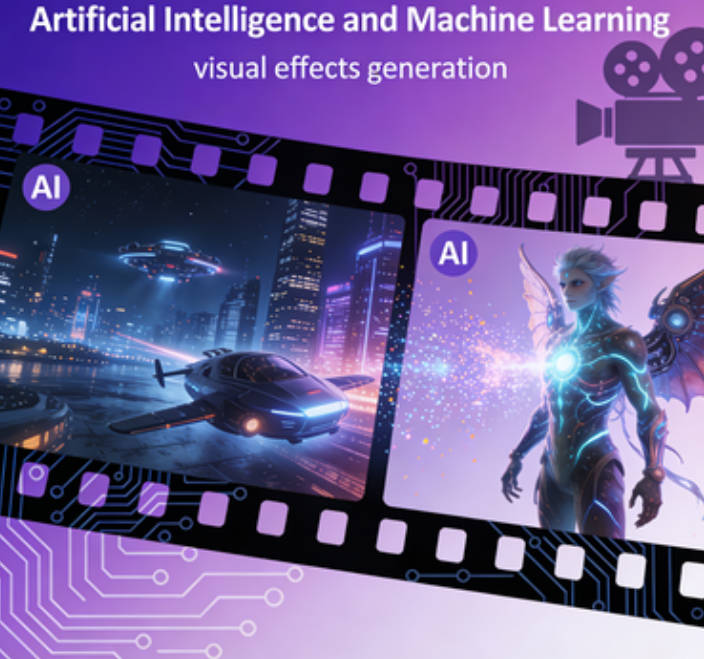
Artificial intelligence is revolutionizing multiple aspects of filmmaking, from script analysis to final post-production. AI algorithms now assist in predicting box office success, optimizing film editing workflows, and even generating visual effects.
Automated Post-Production
Machine learning algorithms can now automatically color grade footage, sync audio tracks, and even suggest optimal editing cuts based on narrative flow. This technology reduces post-production time by up to 60%, allowing filmmakers to focus on creative decisions rather than technical minutiae.
Predictive Analytics
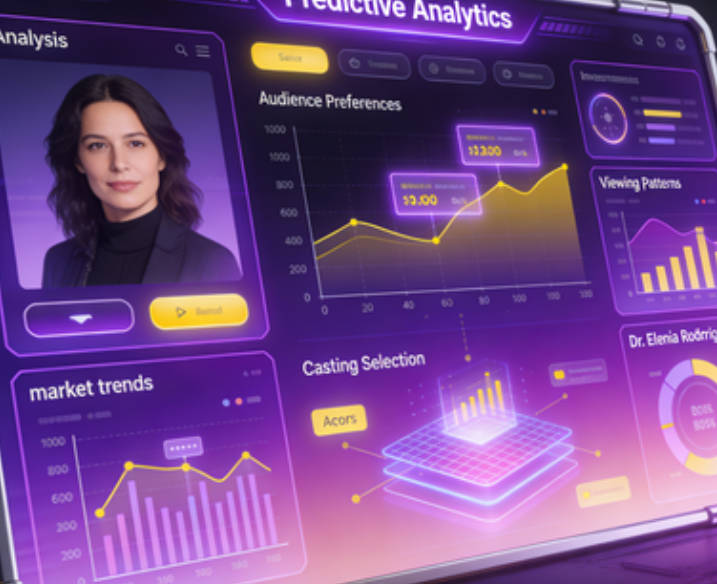
AI-powered analytics tools analyze audience preferences, market trends, and viewing patterns to predict commercial success. Studios use these insights for investment decisions, marketing strategies, and even casting choices.
"AI is not replacing creativity – it's amplifying it. By automating technical processes, we're freeing filmmakers to focus on storytelling and emotional connection." - Dr. Elena Rodriguez, Technology Director at Digital Film Labs
Virtual Production and Real-Time Rendering
The emergence of LED wall technology and real-time rendering engines like Unreal Engine has transformed traditional green screen filming. Directors can now see final environments during principal photography, dramatically improving actor performances and director decision-making.
LED Volume Technology
Massive LED walls up to 75 feet tall create immersive environments that respond in real-time to camera movement. This technology was showcased in productions like "The Mandalorian," where seamless integration of practical and digital elements created unprecedented visual fidelity.
Virtual Cinematography
Cinematographers now work with virtual cameras in pre-visualization phases, allowing for precise planning of complex sequences before expensive practical shoots. This technology reduces cost overruns and enables more ambitious creative visions.
Immersive Audio Technologies
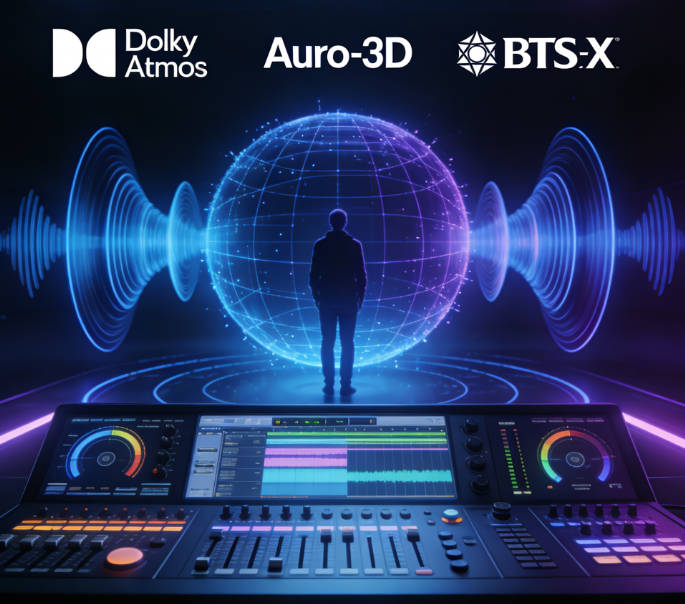
Spatial audio technology creates three-dimensional sound experiences that envelop audiences. Dolby Atmos, Auro-3D, and DTS:X formats allow sound designers to position audio elements with precision, creating more engaging and realistic soundscapes.
- Object-based audio mixing for precise sound positioning
- Biometric feedback integration for audience engagement measurement
- AI-driven audio mastering for optimal playback across devices
- Virtual reality audio for immersive storytelling experiences
Streaming Technology Evolution
The streaming revolution has pushed technology boundaries in video compression, adaptive streaming, and content delivery networks. 4K, 8K, and even experimental 16K resolutions are becoming standard expectations for premium content.
Next-Generation Compression
AV1 and VVC (Versatile Video Codec) technologies offer 50% better compression efficiency than previous standards, enabling higher quality streaming at lower bandwidth requirements. This advancement makes high-quality content accessible to global audiences regardless of their internet infrastructure.
Sustainability Through Technology
Environmental concerns are driving technological innovation toward sustainable filmmaking practices. Digital workflows reduce physical film consumption, while AI optimization minimizes resource-intensive reshoots and post-production cycles.
Cloud-based collaboration tools enable global teams to work efficiently without extensive travel, reducing the industry's carbon footprint while expanding creative possibilities.
Future Horizons: Emerging Technologies
Looking ahead, several technologies promise to further revolutionize filmmaking. Holographic displays for virtual premieres, brain-computer interfaces for direct audience experience sharing, and quantum computing for complex visual simulations are on the horizon.
The convergence of these technologies suggests a future where storytelling boundaries are limited only by imagination, not by technical constraints.

