The landscape of streaming entertainment has undergone a remarkable transformation over the past decade. While subscription-based services like Netflix and Disney+ have dominated headlines, free streaming platforms have quietly revolutionized how we consume content without breaking the bank. In this comprehensive analysis, we'll explore the evolution of free streaming, its current state, and what the future might hold for ad-supported and subscription-free content platforms.
From the early days of clunky websites with limited libraries to today's sophisticated platforms offering high-quality content with minimal interruptions, free streaming has come a long way. Let's dive into this fascinating journey.
The Early Days: 2010-2015
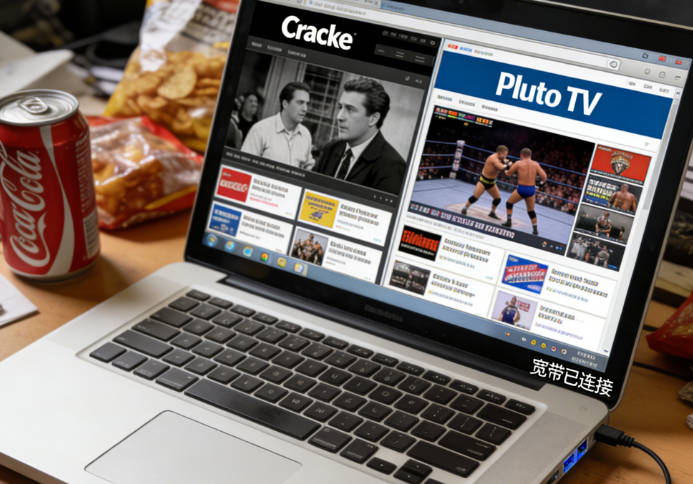
The first wave of free streaming platforms emerged in the early 2010s, riding the wave of increasing broadband penetration and the growing popularity of online video consumption. These platforms were primarily ad-supported and offered a mix of older movies, low-budget productions, and public domain content.
Platforms like Crackle (later renamed Chicken Soup for the Soul) and Pluto TV pioneered this space, offering content with commercial breaks similar to traditional television. The user experience was often subpar, with frequent buffering issues and limited selection, but it represented an important first step toward free, on-demand entertainment.
The Middle Era: 2015-2020
As streaming technology matured, so did free platforms. The middle years saw significant improvements in content libraries, user interfaces, and streaming quality. This period was marked by several important developments:
- Increased investment from major media companies recognizing the potential of ad-supported streaming
- Launch of network-specific free platforms like CBS All Access (now Paramount+) with limited free tiers
- Improved recommendation algorithms to help users discover content
- Mobile apps becoming a priority for platform developers
- The rise of FAST (Free Ad-Supported Streaming Television) channels modeled after traditional TV networks
The Current Landscape: 2020-Present
The COVID-19 pandemic accelerated the adoption of streaming services across all segments, including free platforms. Today's free streaming ecosystem is remarkably robust, with several notable developments:
1. Major Platforms and Their Offerings
• Tubi: Acquired by Fox, Tubi has become one of the largest free streaming platforms with over 50,000 movies and TV shows.
• Pluto TV: Now owned by Paramount, Pluto TV offers over 250 live channels alongside on-demand content.
• Peacock Free: NBCUniversal's entry into the free streaming space with a mix of current and library content.
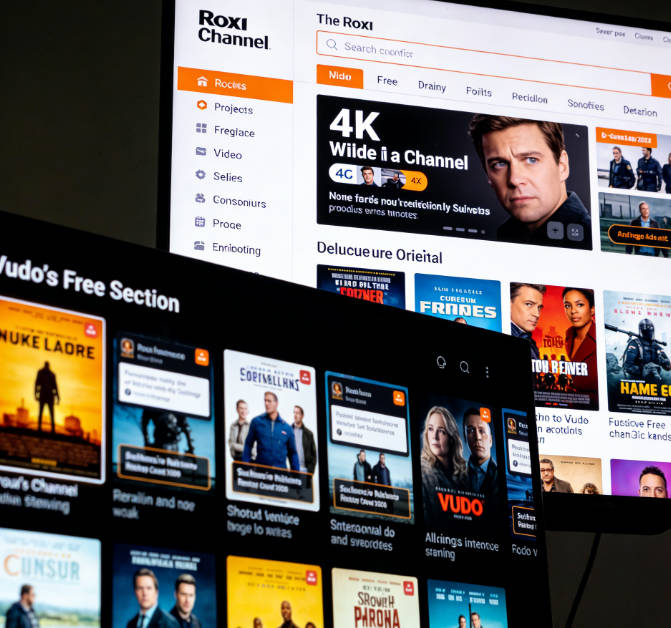
• The Roku Channel: Roku's ad-supported platform that combines content from various providers.
• Vudu's Free Section: Walmart's Vudu offers thousands of free movies and TV shows with ads.
2. Content Quality Improvements
Gone are the days when free streaming meant only low-quality or outdated content. Today's platforms offer:
- Recent releases from major studios with shorter windows after theatrical release
- Exclusive original content produced specifically for free platforms
- High-definition and even 4K streaming capabilities on many platforms
- Content from premium networks available shortly after their original air date
3. Ad Technology Innovations
To make free streaming economically viable while maintaining a good user experience, platforms have implemented several ad innovations:
- Shorter, more targeted ad breaks based on user demographics and viewing habits
- Interactive ads that offer users choices or additional content
- Reduced ad load compared to traditional television (typically 3-5 minutes per hour versus 15-18 minutes)
- Ad-free viewing options for purchase on some platforms
The Future of Free Streaming
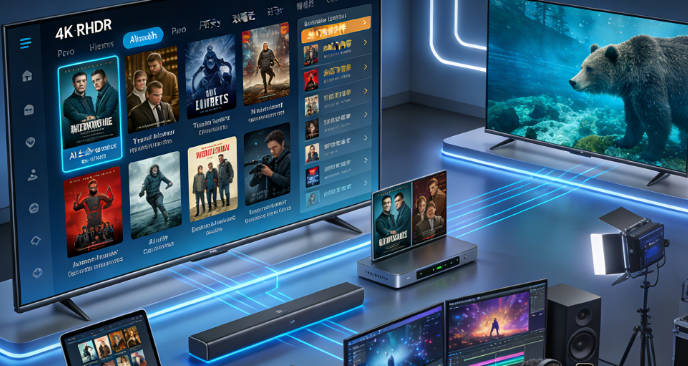
As we look ahead, several trends are likely to shape the future of free streaming platforms:
1. Increased Competition and Consolidation
We can expect continued competition in the free streaming space, with both new entrants and consolidation among existing players. Major media companies will likely expand their free offerings as a complement to their subscription services.
2. Improved Personalization
Advances in AI and machine learning will lead to more sophisticated recommendation systems, making it easier for users to discover content they'll enjoy without endless browsing.
3. Enhanced Viewing Experience
We'll see further improvements in streaming quality, including more widespread 4K and HDR support, as well as better integration with smart TVs and other devices.
4. Original Content Investment
Free platforms are already investing in original content, and this trend will likely accelerate as they compete for viewers' attention. We can expect more high-quality original movies and series produced exclusively for ad-supported platforms.
5. Hybrid Models
The line between free and subscription streaming will continue to blur, with more platforms offering tiered services that combine free ad-supported content with premium subscription options.
How to Make the Most of Free Streaming
To get the best experience from free streaming platforms:
- Install multiple platforms to access the widest content library
- Take advantage of user profiles to personalize recommendations
- Use the "watchlist" or "save" features to keep track of content you want to watch
- Check regularly for new content additions, as libraries are constantly updated
- Consider using an ad-blocking DNS service if available in your region to minimize interruptions
The evolution of free streaming platforms has been remarkable, transforming from a niche option with limited appeal to a mainstream alternative to paid subscription services. As technology continues to improve and content offerings expand, free streaming will likely play an increasingly important role in the entertainment ecosystem.
What's your experience with free streaming platforms? Do you prefer them over paid subscriptions, or do you use a combination of both? Share your thoughts in the comments below!